![]() |
![]() |
![]() |
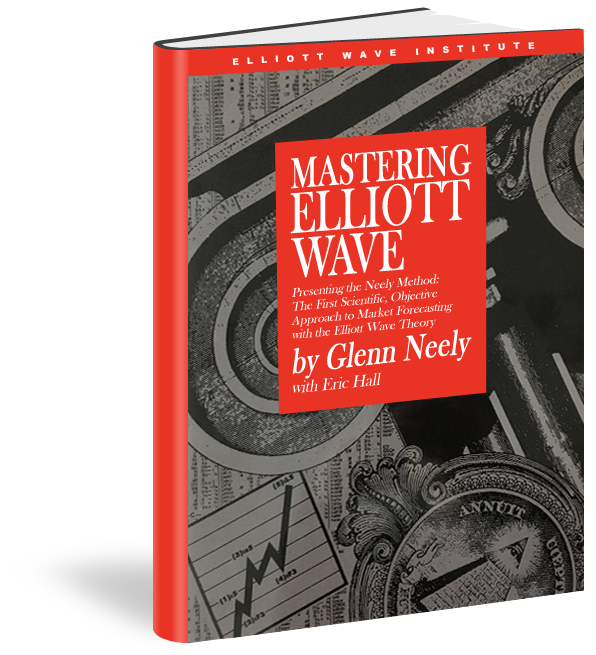
In his classic book, Mastering Elliott Wave, Glenn Neely teaches his revolutionary approach to Wave theory, called NEoWave (advanced Elliott Wave). Continuously in print since its publication in 1990, this groundbreaking book changed Wave theory forever thanks to these scientific, objective, and logical enhancements to Wave forecasting. Step-by-step, Mr. Neely explains his advanced techniques and new discoveries.
Start reading chapter 1 below...
At its core, a compelling romantic drama relies on tension. True entertainment in this genre rarely comes from a seamless, conflict-free relationship. Instead, it thrives on the obstacles that threaten to tear lovers apart.
Unlike romantic comedies (rom-coms), which prioritize humor and a guaranteed "happily ever after," romantic dramas often lean into the bittersweet. They explore the stakes of intimacy, the weight of sacrifice, and the complexity of human emotions. Why We Can’t Look Away: The Psychology of Romance
Are you optimizing this article for a (like Gen Z or avid readers)? Share public link
The next frontier for romantic drama and entertainment is authenticity. Audiences are tired of watching only white, cis-gendered, wealthy couples struggle with "misunderstandings." The new wave includes:
As society shifts, the narratives within romantic drama are evolving to reflect modern realities. Diversity and Representation
The Boss’s Best Kept Secret: A Deep Dive into Julie’s Latest Office Encounter
Romantic drama was synonymous with tragedy. Gone with the Wind and Brief Encounter set the stage, suggesting that great love was often painful or impossible. The New Hollywood Era (1970s–199s): Think Love Story (1970) or The Bridges of Madison County . Here, entertainment shifted toward the "affair drama," exploring infidelity not as a sin, but as a tragic necessity. The 2000s Rom-Com Clash: As romantic comedies rose ( Notting Hill ), dramatic counterparts like The Notebook and Brokeback Mountain redefined the genre, proving that romantic drama could command Oscar attention. The Streaming Age (Today): Platforms like Netflix and Hulu have revived the genre with series like Normal People and Bridgerton . The difference today is pacing. Where movies had 2 hours, streaming series offer 10-hour slow burns, allowing pain and passion to simmer.

At its core, a compelling romantic drama relies on tension. True entertainment in this genre rarely comes from a seamless, conflict-free relationship. Instead, it thrives on the obstacles that threaten to tear lovers apart.
Unlike romantic comedies (rom-coms), which prioritize humor and a guaranteed "happily ever after," romantic dramas often lean into the bittersweet. They explore the stakes of intimacy, the weight of sacrifice, and the complexity of human emotions. Why We Can’t Look Away: The Psychology of Romance officeerotic julie
Are you optimizing this article for a (like Gen Z or avid readers)? Share public link At its core, a compelling romantic drama relies on tension
The next frontier for romantic drama and entertainment is authenticity. Audiences are tired of watching only white, cis-gendered, wealthy couples struggle with "misunderstandings." The new wave includes: Share public link The next frontier for romantic
As society shifts, the narratives within romantic drama are evolving to reflect modern realities. Diversity and Representation
The Boss’s Best Kept Secret: A Deep Dive into Julie’s Latest Office Encounter
Romantic drama was synonymous with tragedy. Gone with the Wind and Brief Encounter set the stage, suggesting that great love was often painful or impossible. The New Hollywood Era (1970s–199s): Think Love Story (1970) or The Bridges of Madison County . Here, entertainment shifted toward the "affair drama," exploring infidelity not as a sin, but as a tragic necessity. The 2000s Rom-Com Clash: As romantic comedies rose ( Notting Hill ), dramatic counterparts like The Notebook and Brokeback Mountain redefined the genre, proving that romantic drama could command Oscar attention. The Streaming Age (Today): Platforms like Netflix and Hulu have revived the genre with series like Normal People and Bridgerton . The difference today is pacing. Where movies had 2 hours, streaming series offer 10-hour slow burns, allowing pain and passion to simmer.