

Adverti horiz upsell

Traditional Restraint Low-Stress Handling ┌───────────────────────────┐ ┌───────────────────────────┐ │ • High physical force │ │ • Desensitization │ │ • Escalates fear & panic │ VS │ • Chemical restraint early│ │ • Skews diagnostic values │ │ • Preserves patient trust │ └───────────────────────────┘ └───────────────────────────┘ Techniques for Reduced-Stress Care

Similar to human OCD, animals can develop repetitive, purposeless behaviors. Examples include tail-chasing, flank-sucking in Dobermans, or psychogenic alopecia (over-grooming to the point of hair loss) in cats. These behaviors often trigger the release of endorphins, helping the animal cope with a stressful environment. The Role of Behavior in Livestock and Welfare

The study of animal behavior isn't just for the animals—it protects us, too. By understanding the social behaviors of wildlife, research veterinarians can better predict and prevent the spread of zoonotic diseases (like West Nile or malaria) before they reach human populations.

Changes in behavior are often the first signs of illness or pain in animals. A veterinarian who understands normal behavior can more easily identify subtle shifts, such as decreased activity, changes in social interaction, or altered grooming habits, which may indicate an underlying medical issue.

Zooskool Stray X The Record Part 960 -

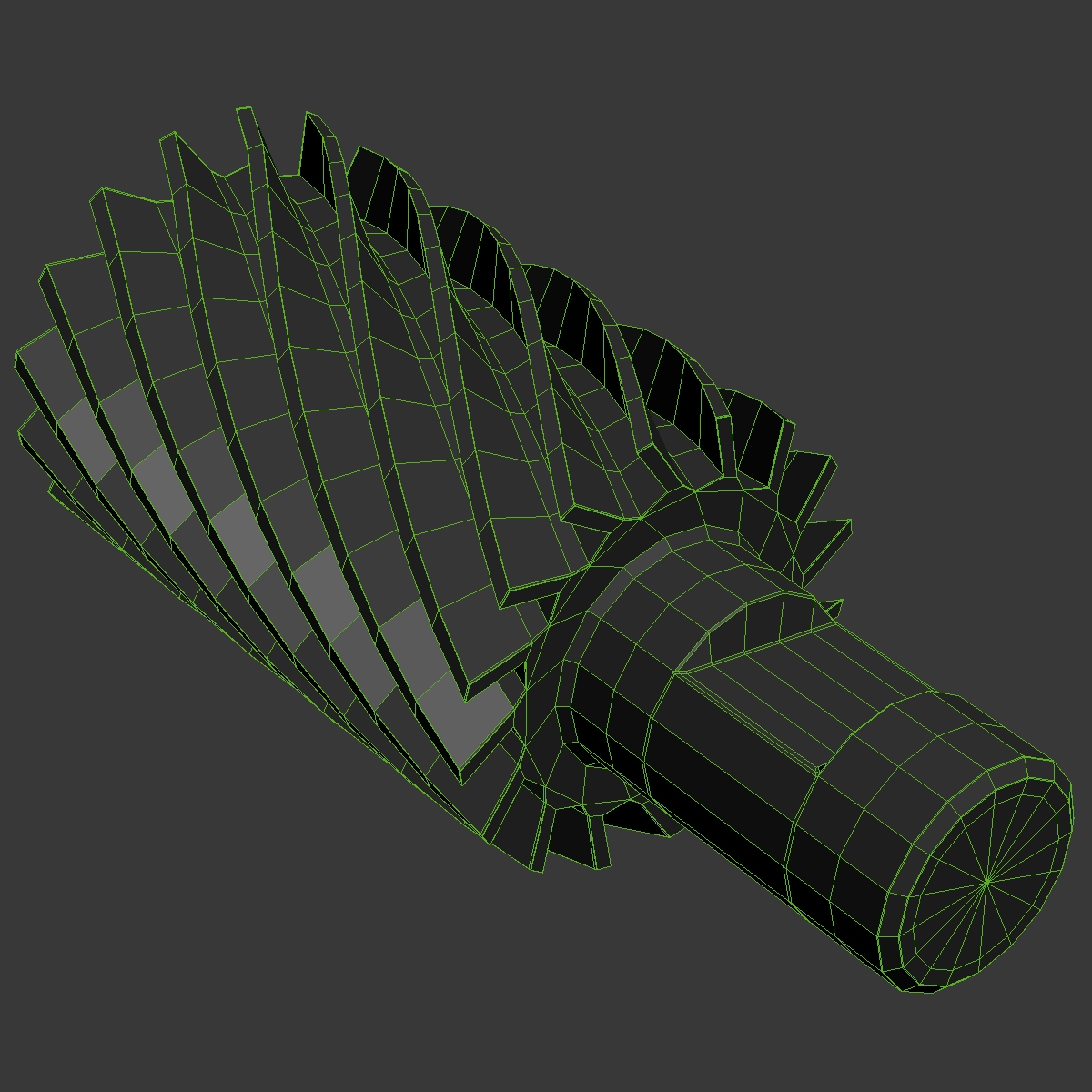
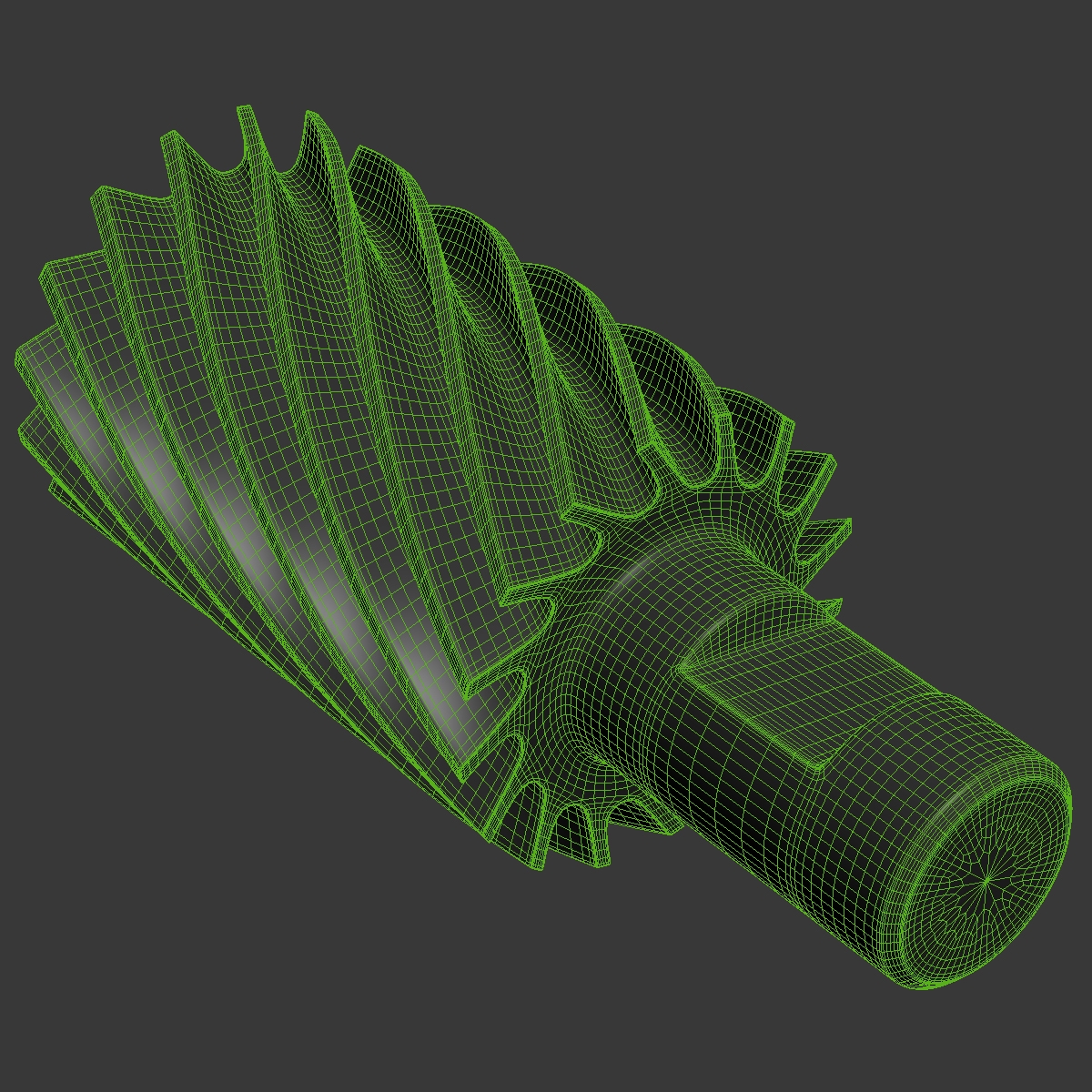
Milling machine cutter 3D model

License
Button download
239 Downloads

Compatibility

Formats

  • Cinema 4D (.c4d) - vR9
  • 3ds Max (.max) - v8
  • OBJ (.obj)
  • Maya (.ma, .mb) - v6
  • 3ds Max (.max) - v8
  • Autodesk FBX (.fbx)

Specifications

MaterialsYes
GeometryPolygonal
Polygons32664
Vertices32666
Detail Levelhigh

History

Created:07/19/2011
Last Modified:03/06/2012
Total Size of Files: 6.94 MB

Zooskool Stray X The Record Part 960 -

Traditional Restraint Low-Stress Handling ┌───────────────────────────┐ ┌───────────────────────────┐ │ • High physical force │ │ • Desensitization │ │ • Escalates fear & panic │ VS │ • Chemical restraint early│ │ • Skews diagnostic values │ │ • Preserves patient trust │ └───────────────────────────┘ └───────────────────────────┘ Techniques for Reduced-Stress Care

Similar to human OCD, animals can develop repetitive, purposeless behaviors. Examples include tail-chasing, flank-sucking in Dobermans, or psychogenic alopecia (over-grooming to the point of hair loss) in cats. These behaviors often trigger the release of endorphins, helping the animal cope with a stressful environment. The Role of Behavior in Livestock and Welfare zooskool stray x the record part 960

The study of animal behavior isn't just for the animals—it protects us, too. By understanding the social behaviors of wildlife, research veterinarians can better predict and prevent the spread of zoonotic diseases (like West Nile or malaria) before they reach human populations. The Role of Behavior in Livestock and Welfare

Changes in behavior are often the first signs of illness or pain in animals. A veterinarian who understands normal behavior can more easily identify subtle shifts, such as decreased activity, changes in social interaction, or altered grooming habits, which may indicate an underlying medical issue. A veterinarian who understands normal behavior can more

People who favorited this item:

  • Nikita Miharev
    Nikita Miharev
  • emai
    emai