Nudist Family Beach Pageant Part 1 Dvdrip --best _hot_
Historically, the wellness industry and the body positivity movement were at odds. Marketing campaigns frequently used "wellness" as a euphemism for weight loss. Detox diets, intense exercise regimes, and supplement trends were often sold using shame and fear tactics.
Transitioning to this lifestyle is a personal journey that happens in daily choices. You can begin integrating these concepts with a few practical steps: Nudist Family Beach Pageant Part 1 DVDRip --BEST
In a body positive wellness lifestyle, rest is not "laziness." It is a biological requirement. Diet culture glorifies "hustle" and "no days off." The body positive approach honors . Historically, the wellness industry and the body positivity
Surrounding yourself with positive influences and creating a supportive environment. 3. Key Pillars of a Body-Positive Wellness Lifestyle Transitioning to this lifestyle is a personal journey
This public link is valid for 7 days and shares a thread, including any personal information you added. This link or copies made by others cannot be deleted. If you share with third parties, their policies apply. Can’t copy the link right now. Try again later.
: Replacing negative self-talk with affirmations like "My body is strong" or "My body is good enough" .
Historically, the mainstream wellness industry has been an engine of exclusion. Diet culture, the pervasive belief that thinness equals health and virtue, has long dictated what a "healthy person" should look like. This conflation of size with health has led to widespread weight stigma, where individuals in larger bodies are routinely dismissed by medical professionals, denied proper care, or advised to lose weight for conditions completely unrelated to their size. This approach fails on two fronts: first, it ignores decades of research showing that health behaviors—such as eating a variety of nutrients, staying hydrated, and getting quality sleep—are far more indicative of long-term well-being than a number on a scale. Second, it creates a barrier to wellness, as shame and discrimination discourage people from seeking medical care or engaging in physical activity.
 Bartosz Góralewicz,
  Bartosz Góralewicz,
  Bartosz Góralewicz,
  Bartosz Góralewicz,
  Bartosz Góralewicz,
  Bartosz Góralewicz,
  Bartosz Góralewicz,
  Bartosz Góralewicz,
  Bartosz Góralewicz,
  Bartosz Góralewicz,
  Bartosz Góralewicz,
  Bartosz Góralewicz,
  Bartosz Góralewicz,
  Bartosz Góralewicz,
  Bartosz Góralewicz,
  Bartosz Góralewicz,
  Bartosz Góralewicz,
  Bartosz Góralewicz,
 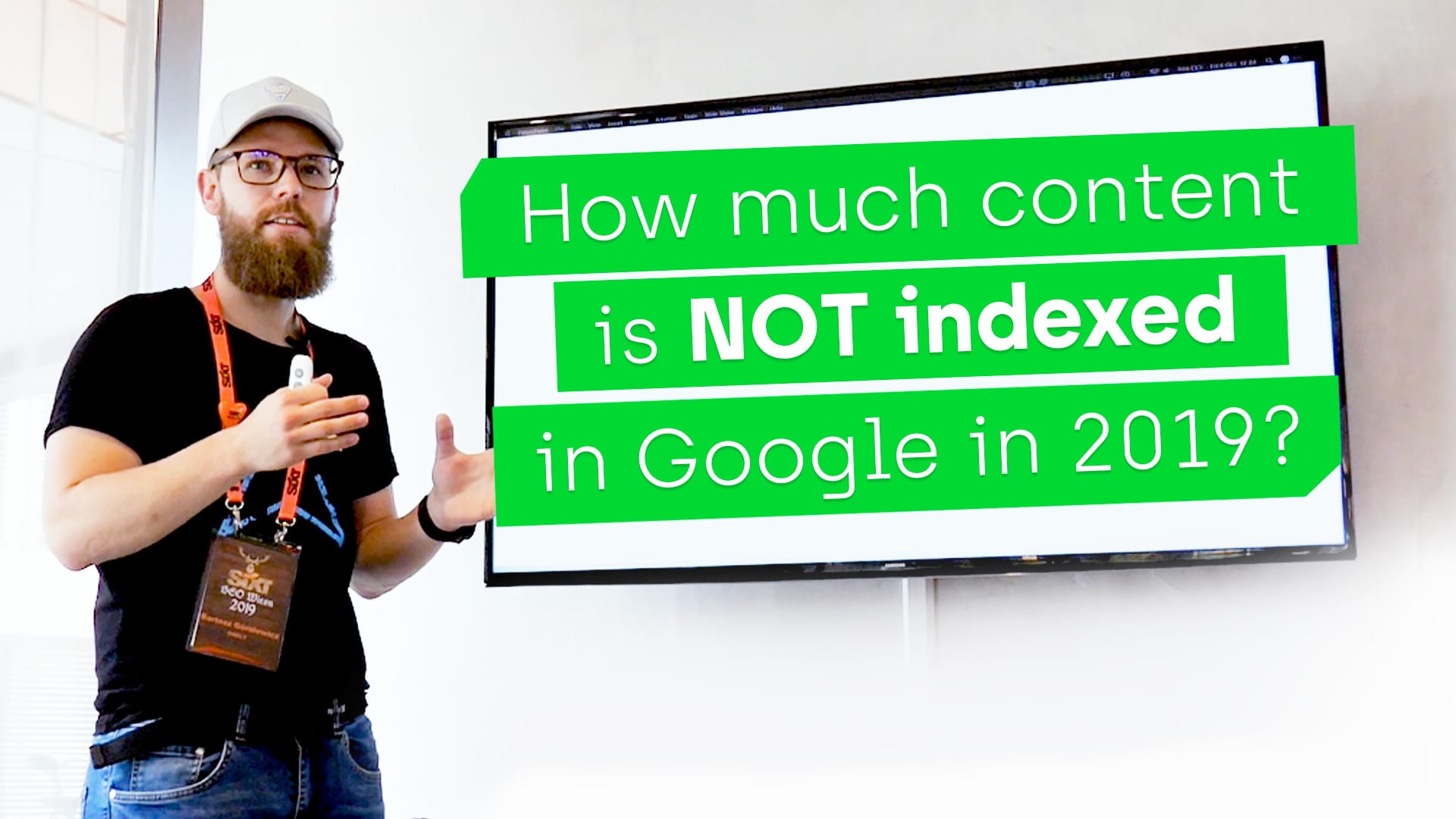 Bartosz Góralewicz,
  Bartosz Góralewicz,
  Bartosz Góralewicz,
 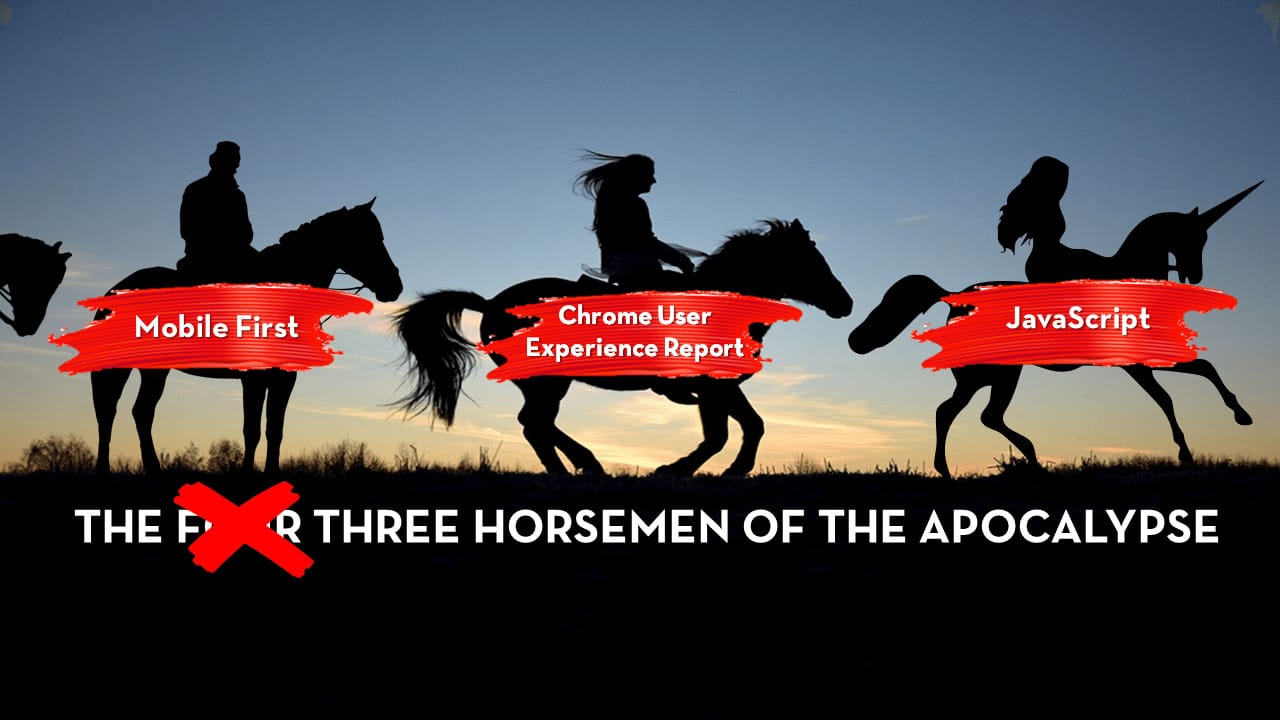 Bartosz Góralewicz,
  Bartosz Góralewicz,
  Bartosz Góralewicz,
  Bartosz Góralewicz,
  Bartosz Góralewicz,
  Bartosz Góralewicz,
  Bartosz Góralewicz,
  Bartosz Góralewicz,
  Bartosz Góralewicz,
  Bartosz Góralewicz,
  Bartosz Góralewicz,
  Bartosz Góralewicz,
  Bartosz Góralewicz,
  Bartosz Góralewicz,
  Bartosz Góralewicz,
  Bartosz Góralewicz,
  Bartosz Góralewicz,
  Bartosz Góralewicz,
  Bartosz Góralewicz,
  Bartosz Góralewicz,
  Bartosz Góralewicz,
  Bartosz Góralewicz,
  Bartosz Góralewicz,